Where Granite Meets Sky: Navigating Southern Patagonian Waters
Field dispatches from the icy channels of Ultima Esperanza, observing guanaco herds and regenerative wilderness conservation.
By Mateo Morales
Environmental Fellow, 111111
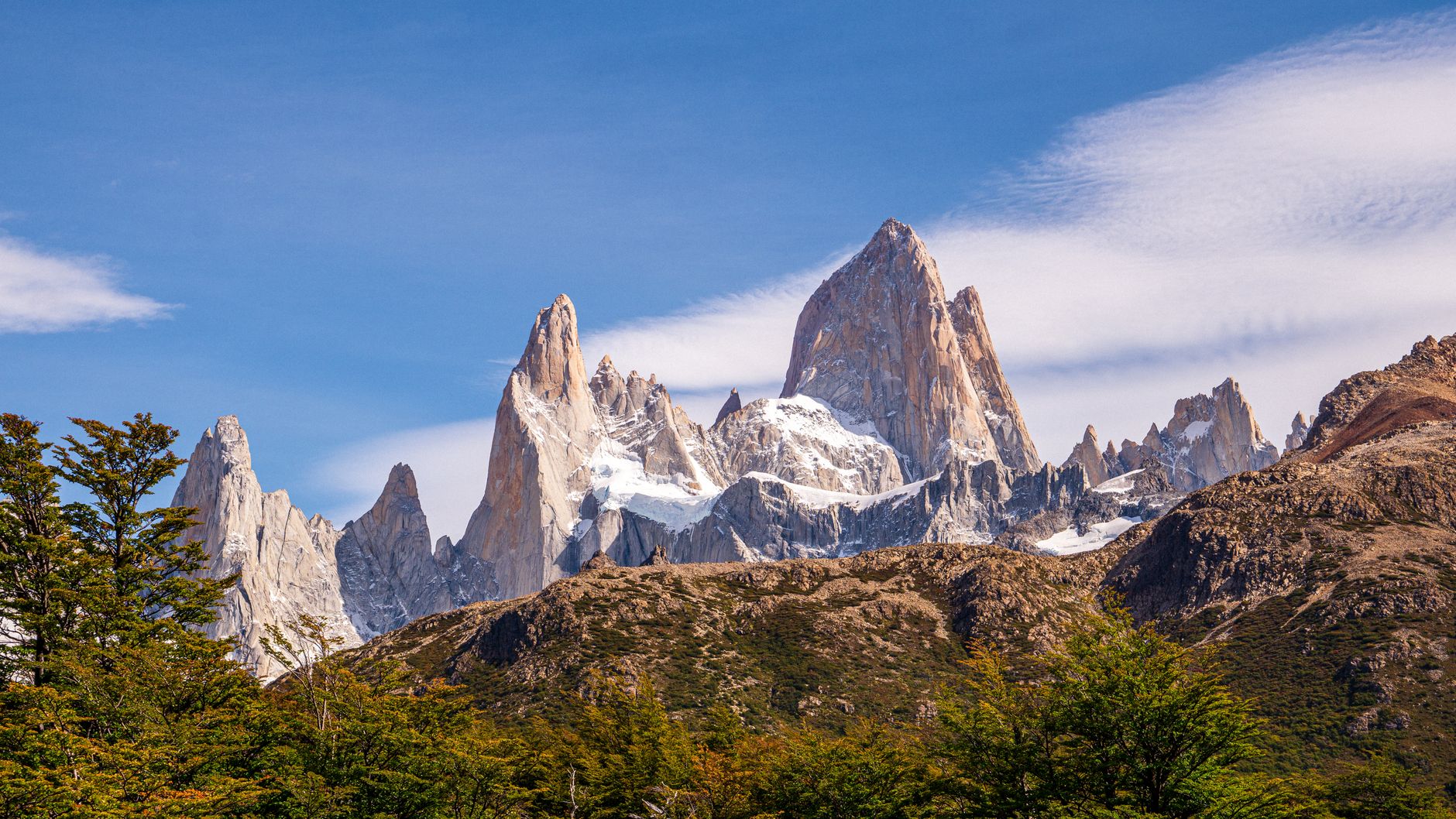
Patagonia tests every conception of scale. Standing on the timber deck of an expedition skiff in the Golfo Almirante Montt, the horizon seems infinite. Winds sweeping off the Southern Patagonian Ice Field carry the scent of ancient kelp and pulverized glacial stone. The water beneath the hull is an opaque turquoise, dyed by microscopic rock flour ground down over millennia by moving ice.
For decades, this region was viewed through the lens of harsh extractive industry—cattle ranching that stripped fragile tussock grasslands and commercial whaling that cleared coastal bays. Yet today, an inspiring continental rewilding experiment is underway across millions of conserved acres.
"To travel Patagonia is to realize that true wilderness does not need our admiration; it requires our restraint."
The Revival of the Steppe
Driving across the vast expanse of the Chacabuco Valley, one witnesses fences being systematically dismantled. Where sheep once overgrazed the slopes, wild guanacos now leap freely across rolling tussock hills, pursued by stealthy Patagonian pumas whose populations have rebounded remarkably over the past decade.
Private-public conservation foundations have partnered with local Chilean gauchos, transforming generational tracking expertise into scientific conservation monitoring. The gaucho, once an adversary of the native predator, has become its fiercest guardian, guiding researchers across unmapped passes on horseback.
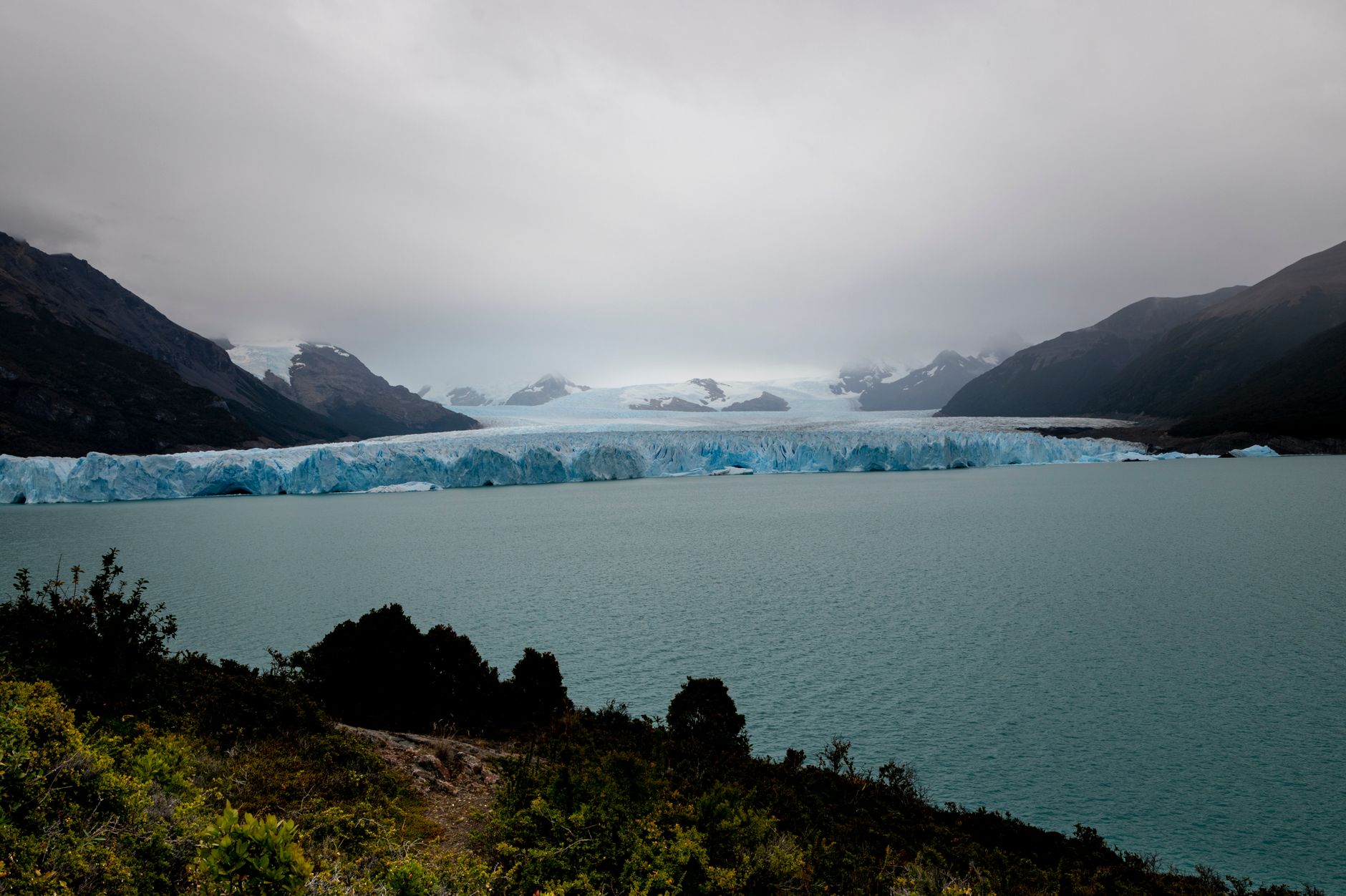
Glacial waters meeting coastal temperate rainforest along the Chilean fjords.
The Sound of Ancient Ice
Approaching the terminus of the Balmaceda Glacier by hybrid-electric skiff, the engine is cut completely. The silence is visceral, interrupted only by the sudden resonant boom of an ice calving event—a sound reminiscent of distant artillery. Huge blocks of sapphire ice tumble into the frigid fjord, generating slow ripples that rock the vessel gently.
Travel here demands a willingness to surrender schedule to storm. A windstorm known locally as a pampero can arise in twenty minutes, churning calm water into froth and forcing travelers to seek shelter in remote estancias constructed of corrugated tin and fragrant cypress timber.
The Spirit of Southern Exploration
In the evenings around wood-fired iron stoves, locals share hot yerba mate passed in carved gourds. There is little talk of politics or market indexes here; conversations turn on the strength of tomorrow's wind, the drift of ice floes, and the flight patterns of the Andean condor circling effortlessly on thermal updrafts. For those weary of the constant digital pulse, Patagonia remains one of the world's great geographic sanctuaries.
Explore Wilderness Expeditions
Consult our specialists on responsible polar and sub-polar expedition planning.