High Altitudes, Still Waters: An Alpine Solitude in the Dolomites
Field notes on architectural reticence, slow culinary resilience, and the sacred silence of the Val di Funes.

By Julian Hayes
Founding Editor, 111111
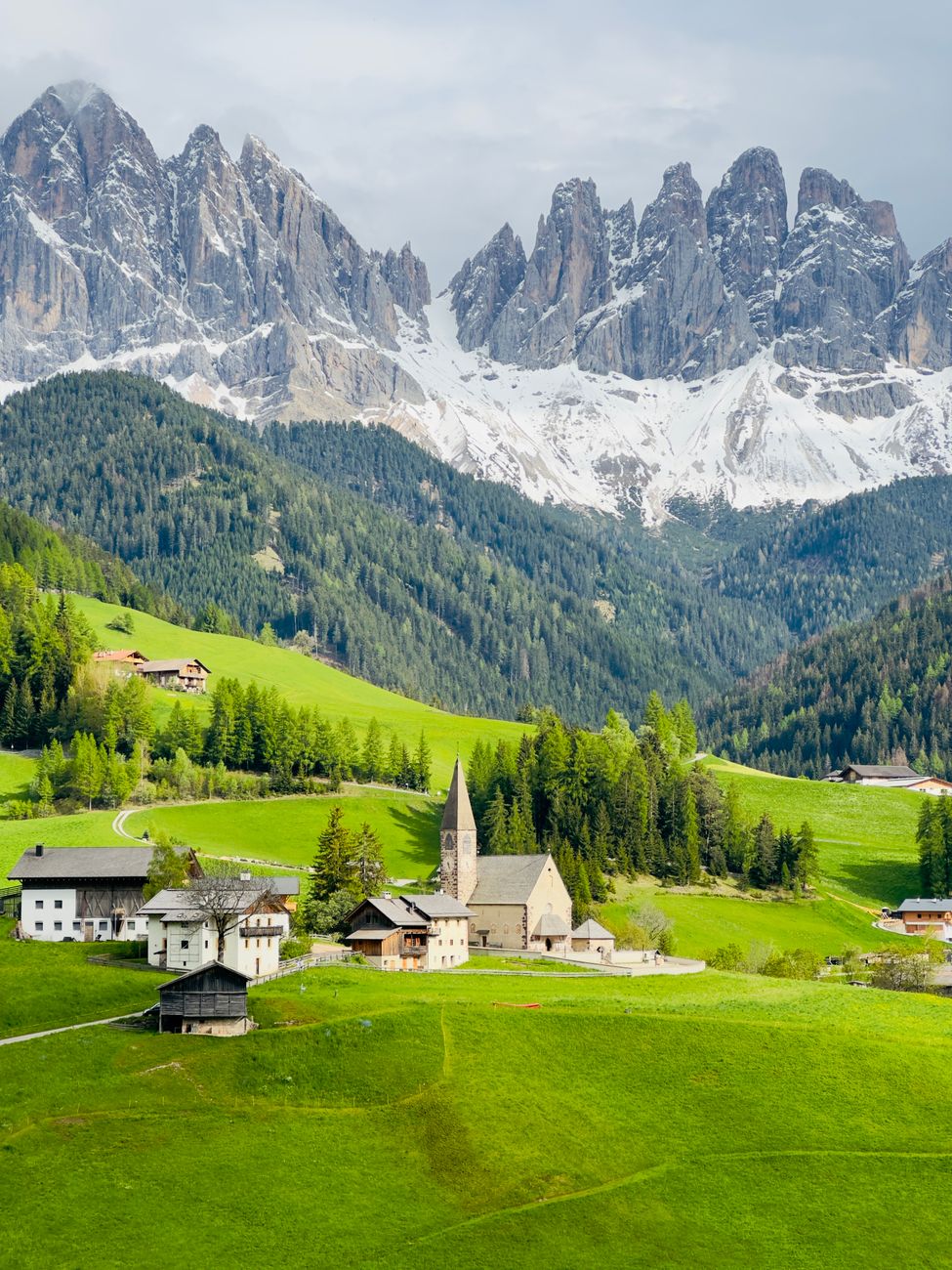
Morning in the Val di Funes does not arrive with sudden brilliance. It creeps over the jagged limestone teeth of the Odle Group in gradation: first an ethereal cold violet, then a pale rose that illuminates pine canopies frosted with the night's frost. At 1,900 meters, sound travels differently. The crisp crackle of larch twigs beneath boots and the faraway toll of an alpine cowbell carry for miles through the clean, thin air.
For centuries, this pocket of South Tyrol existed as a self-sustaining microcosm. Families constructed timber-and-granite masi—farmsteads designed not merely to survive harsh alpine winters, but to preserve milk, rye, and cured meats without external reliance. Today, a new generation of architects and preservationists is working hand-in-hand with forestry syndicates to protect these structures from modern commercial expansion.
"To build in the high mountains is not to assert human primacy, but to ask permission of the slope and the wind."
The Architecture of Restraint
Modern luxury in these valleys has abandoned marble facades and ostentatious glass cubes. Instead, travelers discover sanctuaries clad in local, untreated larch that ages into a velvety silver-gray. Inside, the scent of stone pine—known locally as Cirmolo—lowers the heart rate naturally, a phenomenon recognized by Tyrolean carpenters for generations.
At the family-run refuge of Malga Zannes, energy is generated through silent micro-hydro turbines fed by glacial streams. Here, travelers sit beside masonry stoves fired with fallen birchwood, eating sourdough crafted from grain milled down-valley and butter churned before sunrise.
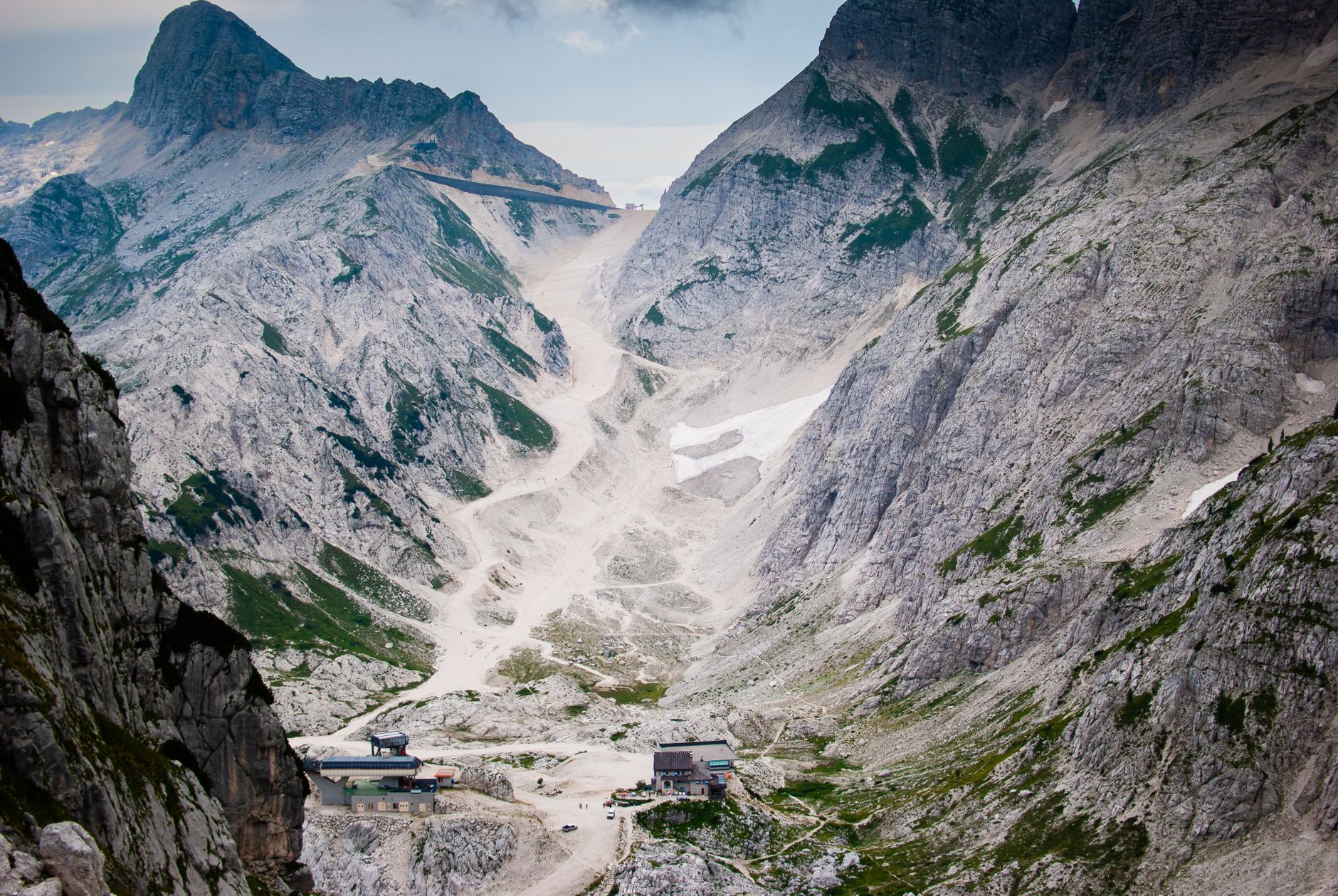
The limestone monoliths of Odle towering above old-growth spruce forests.
The Season of Foraging
Culinary rhythm in the Dolomites is intimately tied to the frost line. Before the heavy snows seal off the passes, mountain gatherers harvest wild juniper, sweet cicely, and mountain cranberries from the forest floor. These botanicals are infused into grappas or dried alongside chamomile for evening tisanes served by copper kettles.
Dining here is an exercise in deep regional terroir. A single bowl of rye dumplings in clear capon broth speaks of the resilience of winter fields and the quiet endurance of alpine farmers who regard hospitality as an unhurried sacred duty.
Reflections on Slow Travel
As the sun dips behind the western ridges, casting long indigo shadows across the snowfields, one realizes why places like this demand unhurried itineraries. You cannot experience the Dolomites from the window of an express motorcoach. You must allow your breath to sync with the gradient of the trail, your skin to acclimate to the biting evening chill, and your thoughts to untangle in the profound silence of the peaks.
Enjoyed this dispatch?
Share this reading with fellow travelers or subscribe to our private seasonal folio.