The Geometry of Stillness: Inside the Wooden Teahouses of Uji
Field notes on ancestral cedar joinery, earthen plaster walls, and the quiet ritual of autumn matcha along the river.

By Aya Nakamura
Senior Dispatcher, Asia
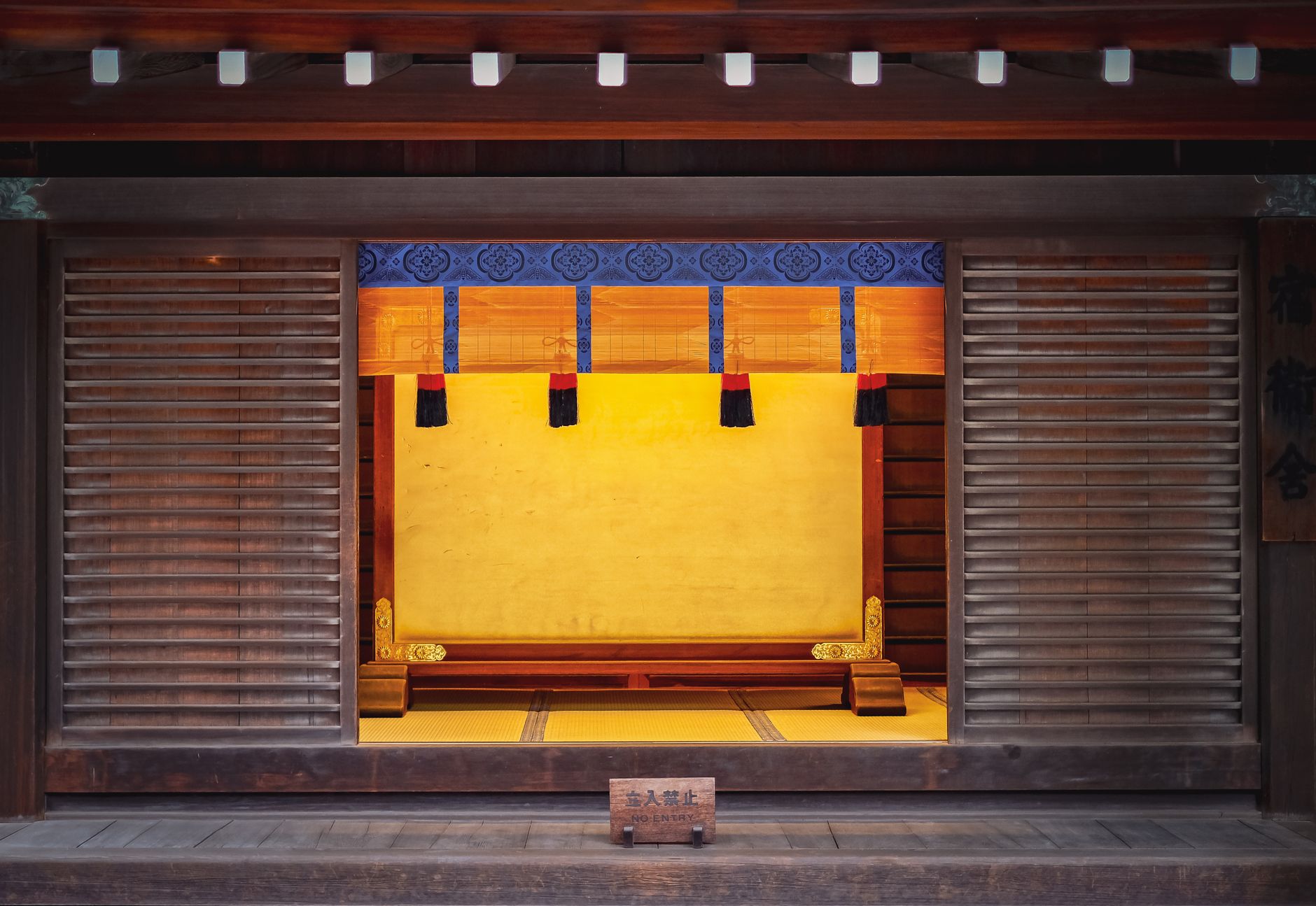
Cross the wooden span of Uji Bridge as early dawn mists lift from the river, and you step into an environment defined entirely by organic materials. For more than eight centuries, this district south of Kyoto has stood as the ceremonial heart of Japanese green tea cultivation. Here, the passage of time is registered not by digital displays, but by the subtle darkening of unlacquered cryptomeria beams and the seasonal flowering of single camellia stems in modest bamboo vases.
In the quiet tearoom of a preserved 19th-century merchant machiya, architectural proportion dictates human posture. The doorway—a low sliding aperture known as a nijiriguchi—requires every visitor, whether merchant or diplomat, to bow deeply upon entering. In this small space of four and a half tatami mats, worldly hierarchy dissolves.
"A tearoom is not a room designed for drinking tea; it is a room designed to make the world outside temporarily irrelevant."
The Language of Clay and Shadow
Unlike Western interiors that demand constant illumination, Japanese traditional tearooms embrace what Jun'ichiro Tanizaki termed the praise of shadows. The walls are coated with juraku-tsuchi, an earthen plaster composed of local river clays and fine rice straw fibers. This surface absorbs glare, diffusing morning light into soft gradients that soothe the eye and quiet racing thoughts.
The joinery itself is executed without iron nails. Master carpenters assemble interlocking cedar and cypress members that breathe with humidity fluctuations, expanding during rainy monsoons and contracting during dry winters. The building is alive, quietly adjusting to the rhythm of the climate.
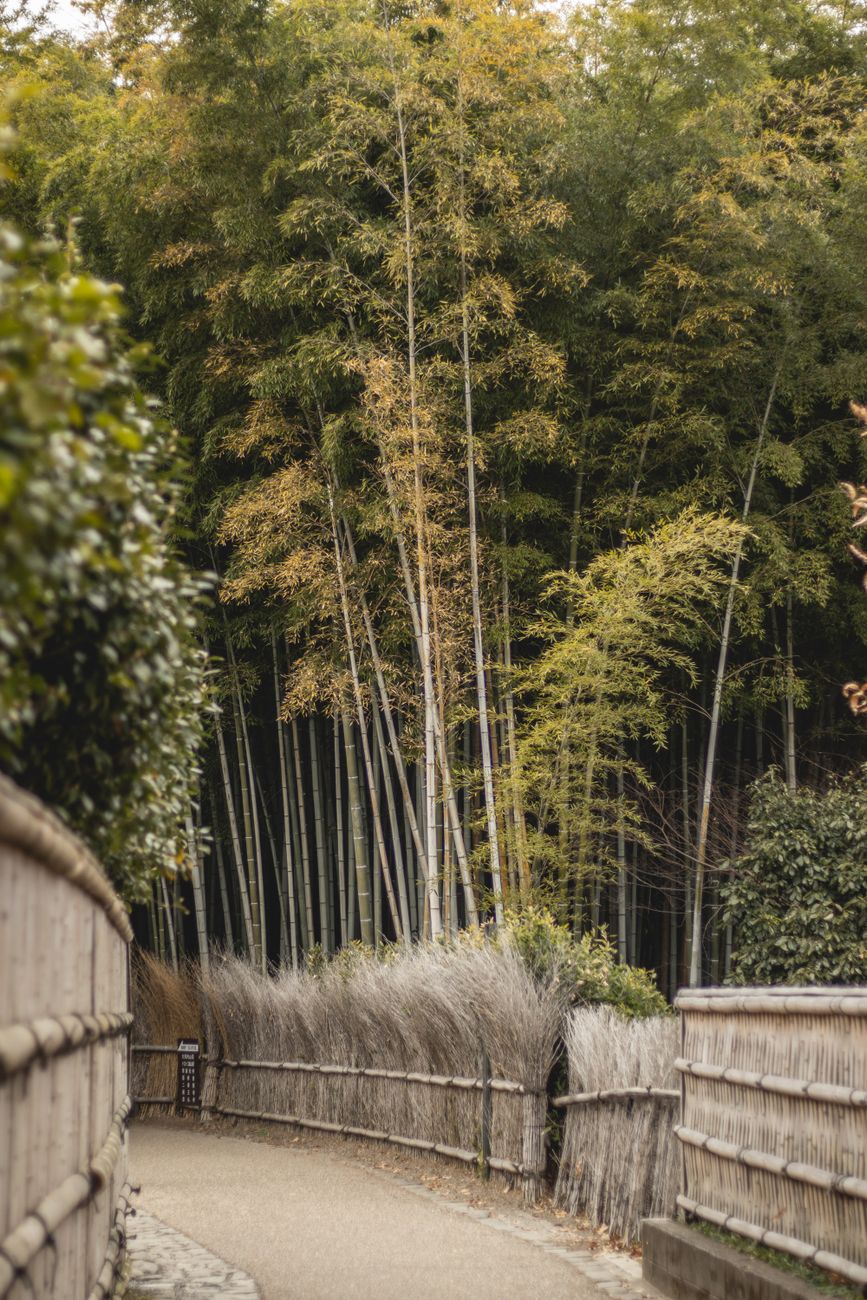
A private approach through bamboo groves leading to a secluded tea pavilion.
The Sound of Boiling Water
Within the tearoom, the silence is punctuated only by the matsukaze—the 'wind in the pines'—a poetic term describing the quiet hiss of boiling water in an iron kettle heated over white charcoal. The tea master prepares a bowl of single-origin ceremonial grade matcha with movements so deliberate they resemble choreography.
To receive the ceramic bowl, crafted by hand from coarse local clay and fired in a wood-burning climbing kiln, is to hold an entire geological and human narrative. You turn the bowl twice to avoid placing lips upon its decorative front, a gesture of humility that has endured unchanged across dynasties.
The Lesson for Modern Travelers
Travelers often visit Japan with relentless checklists of shrines and markets. Yet the most profound revelation often occurs when sitting still for an hour on woven rush flooring, watching rain droplets slide down bamboo gutters into an ancient stone basin. It is an invitation to rediscover that richness in life is found in attention, not accumulation.
Plan Your Cultural Dispatch
Our Tokyo & Kyoto editorial desk organizes private cultural residencies and architectural visits.